Week 11: Japan I
m: the Ameratsu Shrine at Ise : Shinto
w: Heian period painting : yamato-e
f: Muromachi period painting & Zen painting
Week 12: Japan II
m: Zen-style gardens
w: chaihatsu (tea house) * EXERCISE 3 DUE *
f: wabi-sabi
Week 13: Japan III
m: Japanese woodcuts : ukiyo-e
w: ukiyo-e : Hokusai's "Great Wave"
f: contemporary Japanese art -- one or two examples
Week 14: Aboriginal Australian art
m: Aboriginal Australian art : petroglyphs
w: Aboriginal Australian paintings
f: Aboriginal Australian paintings
Week 15:
m: course review
w: EXAM (10.15-12.15)
Thursday, March 31, 2011
Monday, March 28, 2011
The Taj Mahal

- Taj Mahal article at Wikipedia
- Taj Mahal article at Asian Historical Architecture
- Taj Mahal article at Islamic Architecture
- Taj Mahal article at MANAS (UCLA)
- Taj Mahal at 1001 Wonders (Quicktime)
- Photosynth view of Taj Mahal (reguires Microsoft Silverlight)
- "Seven Wonders: Taj Mahal" video at History.com

Friday, March 25, 2011
Pattern in Islamic Decorative Art
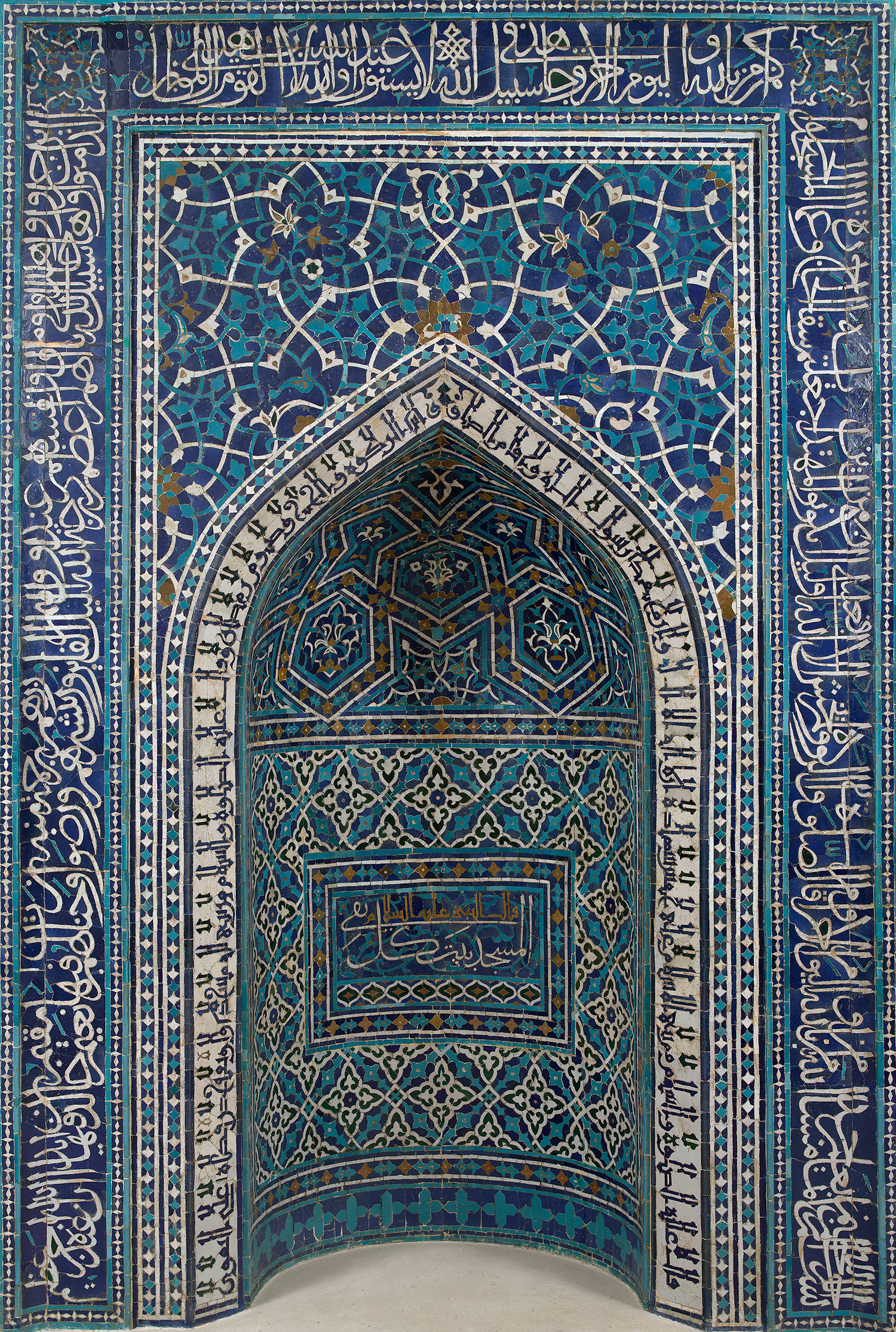 |
| Mihrab from the Madrasa Imami, Isfahan, Iran Metropolitan Museum of Art (7-25) |

also check out the essay on "Vegetal Patterns in Islamic Art" at the Timeline of Art History, as well as the essay on "Calligraphy in Islamic Art."
 |
| Mosque Lamp of Sayf al-Din (7-29) British Museum http://www.britishmuseum.org/explore/highlights/highlight_objects/me/m/mamluk_mosque_lamp.aspx |
Monday, March 21, 2011
Islamic Architecture: Mosque
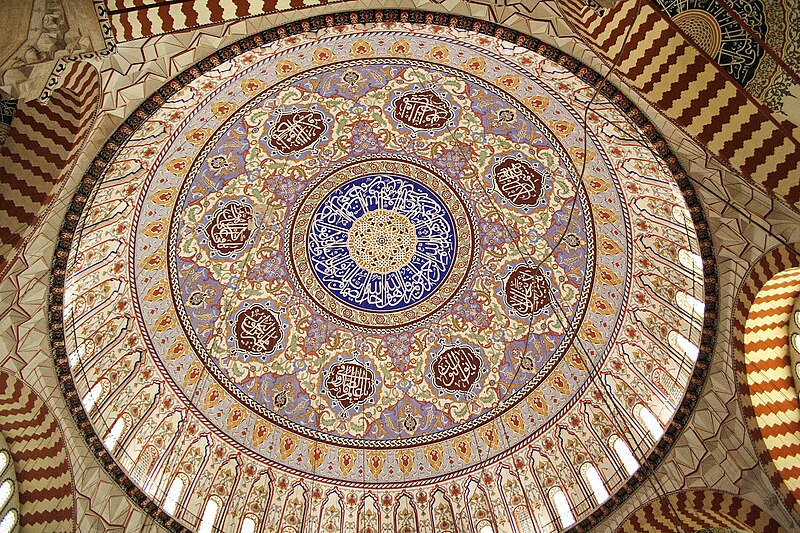
This site offers links to a lot of information about Islamic architecture, including articles on both specific buildings and on general topics. For example, the article on mosques describes the history, functions, and uses of mosques, and gives links to many specific mosques in different parts of the Islamic world
Particularly important mosques to look at would include:
- the Masjid al-Haram in Mecca, Saudi Arabia
- the Masjid al-Nabawi in Medina, Saudi Arabia
- the Al-Aqsa Mosque in Jerusalem
- the Great Mosque in Damascus, Syria
- the Mezquita in Cordoba, Spain
- the Djenne Mosque in Timbuktu, Mali
- the Maydan-i-Shah in Isfahan, Iran
The article on Mosques at Wikipedia is also excellent, as is its article on Islamic Architecture
A couple of the most important Islamic buildings that are not mosques:
- the Dome of the Rock in Jerusalem
- the Taj Mahal in Agra, India
Friday, March 18, 2011
the Origin and History of Islam
The Birth of Islam: essay at the Timeline of Art History
(PBS)
History Channel
(Part 1 of 6)
PBS
(part 1 of 12)
Schedule: Weeks 9 & 10
(Please note -- this is a slight rearrangement of the original syllabus, based on discussion in class today. It will buy us more time for Aboriginal Australian painting.)
Week 9: Islamic Art I
M: introduction to Islamic art & architecture : the mosque
W: the mosque 2
F: ***no class***
W: the mosque 2
F: ***no class***
Week 10: Islamic Art II
M: decorative art in Islam
W: the Taj Mahal
F: the Taj Mahal
Thursday, March 17, 2011
Chinese Painting IV
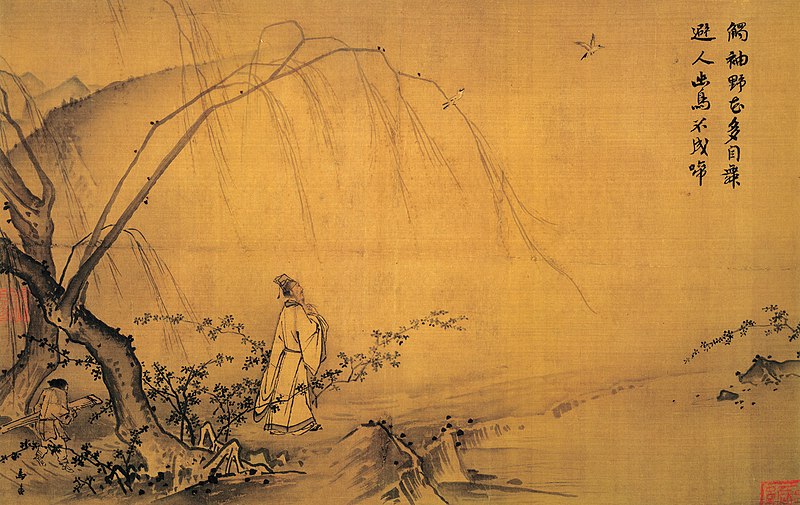 |
| Walking on Path in Spring by Ma Yuan (马远 c.1190 - 1279年) |

Three Chinese Landscape Paintings:
1. Ma Yuan. On a Mountain Path in Spring. Southern Song. Book p. 66.


Chinese Painting III
 |
| Zang Zeduan Detail: "Along the River During the Qingming Festival" (Song dynasty): Bridge |
 |
| Zang Zeduan "Along the River During the Qingming Festival" (Song dynasty) [Please click on the image directly above to examine the entire scroll] |
Article on this painting at Wikipedia HERE
To "read" a Chinese painting is to enter into a dialogue with the past; the act of unrolling a scroll or leafing through an album provides a further, physical connection to the work. An intimate experience, it is one that has been shared and repeated over the centuries. And it is through such readings, enjoyed alone or in the company of friends, that meaning is gradually revealed.
Tuesday, March 15, 2011
Chinese Painting II (Wed 16 March)
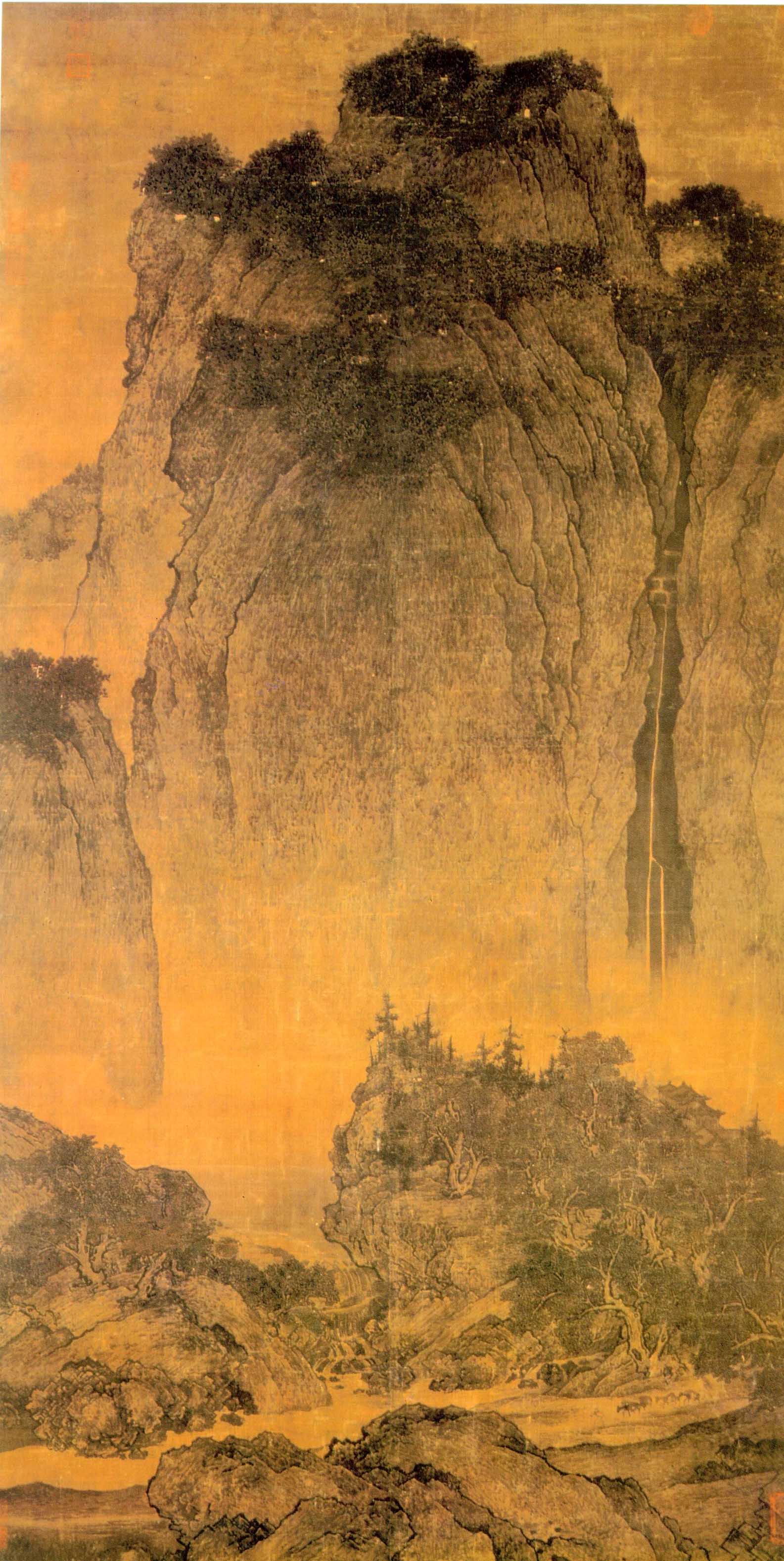
Fan Kuan & Northern Song dynasty Landscape painting
Article on Fan Kuan at Wikipedia
and this page from Columbia University is excellent & extensive
and a brief article on the Fan Kuan painting above here
Sunday, March 13, 2011
Exercise 2 DUE Monday 21 March in class
The second written exercise (answering the five course questions on one work of art or one type of artwork) will be due in class on MONDAY 21 March.
Please remember:
Please remember:
- you may work on any object or topic covered in the course so far -- from Africa through the first works of Chinese painting
- you may NOT work on any object or topic on which you have already written
- any use of outside sources requires in-text citation as well as listing in a "Works Cited"
- your work will scored for these criteria: clear / correct / connected / complete
Chinese Painting I (Mon 14 March)
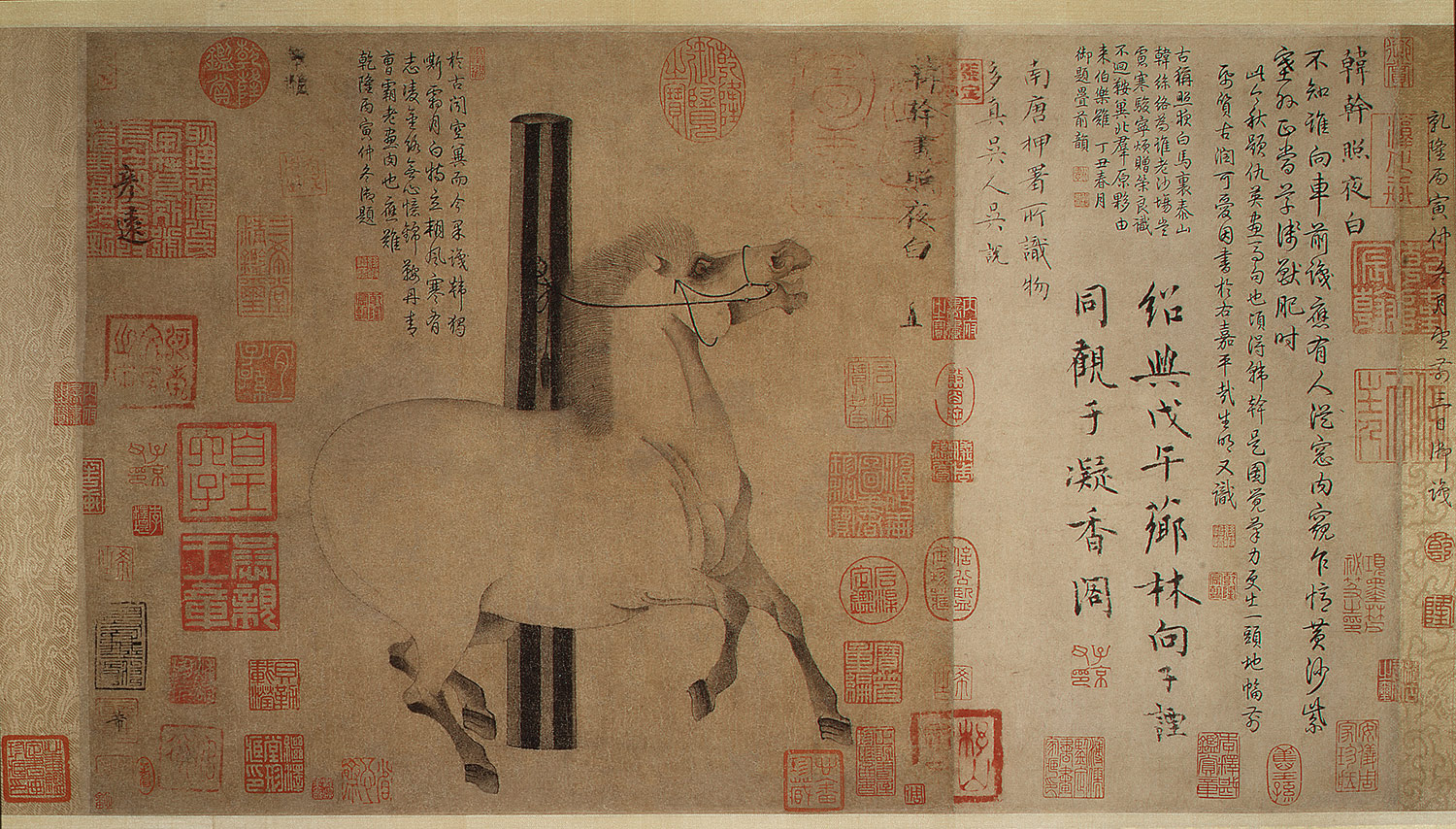 |
| Han Gan: "Night-Shining White" ca 750 (Tang dynasty) |
China at the Heibrunn Timeline of Art History INDEX PAGE
- “Chinese Painting” HERE
- “Landscape Painting in Chinese Art” HERE
- “Scholar-Officials” HERE
- “Chinese Calligraphy” HERE
“A Look at Chinese Painting” (Metropolitan Museum) HERE
“Anatomy of a Masterpiece: How to Read Chinese Paintings” HERE
Chinese Panting in Context (Asia Society) HERE
Key points:
- Chinese paintings are not usually in the Western format (framed, hung on wall as false window); they can appear on handscrolls, wall scrolls, fans, and in many other formats
- Chinese paintings typically include written as well as visual content
- Chinese paintings often are marked with stamps that provide information on ownership of the painting
- Some beginning ideas on the Chinese aesthetic:
- unification & balance between opposites: object / concept; visual / written; figure / ground; etc.
- less emphasis on originality & uniqueness; more on conformity & collaboration
(Also: the “Six Principles of Chinese Painting” stub at Wikipedia)
Friday, March 4, 2011
Chinese Calligraphy
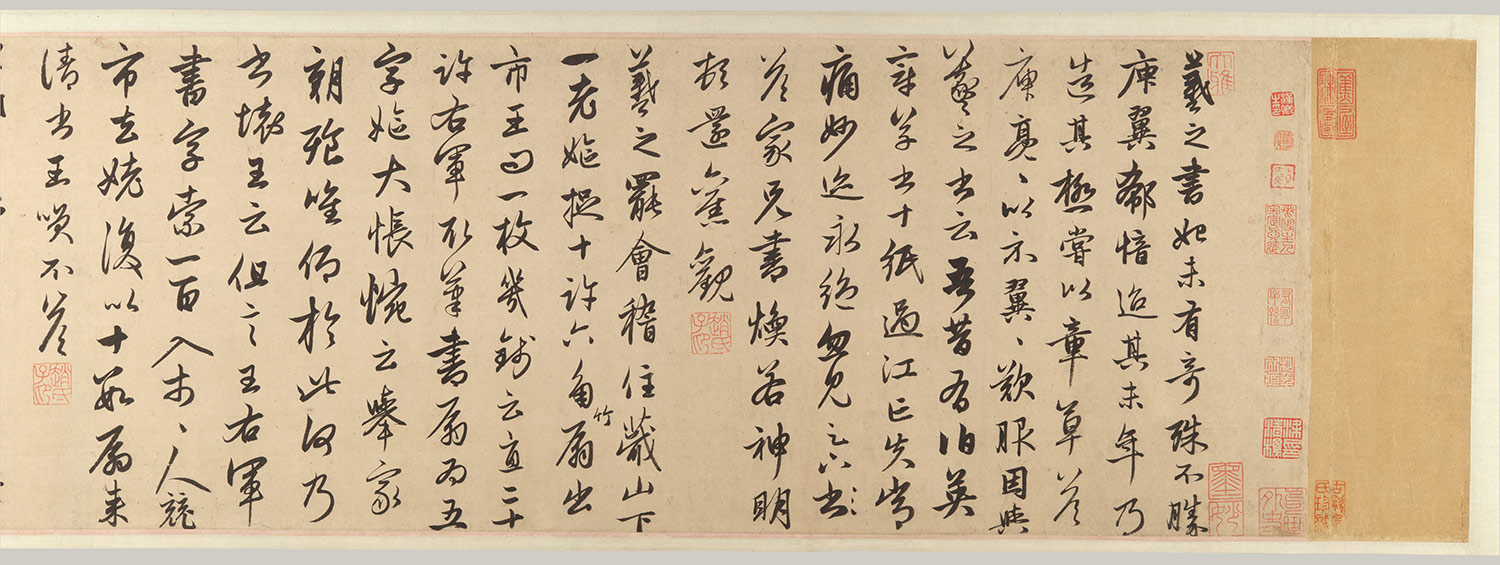 |
| Four Anecdotes from the Life of Wang Xizhi, ca. 1310 Zhao Mengfu (Chinese, 1254–1322) Source:Zhao Mengfu: Four Anecdotes from the Life of Wang Xizhi (1989.363.30) | Heilbrunn Timeline of Art History | The Metropolitan Museum of Art |
Chinese Character Classification -- at Wikipedia
Chinese Calligraphy -- Timeline of Art History
China's Calligraphic Arts -- at the Freer/Sackler
Two videos that demonstrate basics in Chinese calligraphy.
The videos below are properly Japanese rather than Chinese, but the principles still apply. The first begins a series on calligraphy by discussing brushes. The second is a lengthy but excellent demonstration of calligraphy in several styles.
Tuesday, March 1, 2011
Chinese art: purposes, patrons, and public
"Art served several purposes in China, functioning as magical objects, emblems of authority, signs of superior cultural refinement, mechanisms for the preservation of information, and vehicles for self-expression. As the worlds first art historian, Zhang Yan Yuan (847), stated succinctly, art helped human relations and explored the mysteries of the universe. Art, he wrote, completes culture. Patrons included members of the imperial court, noble families, high-ranking bureaucrats, and Buddhist and Daoist monasteries. However, the percentage of the population having access to visual imagery was small, not to mention the miniscule number of people who commissioned or owned works of art."--- Mackenzie, Lynn. Non-Western Art: A Brief Guide. 2nd edn. Upper Saddle River, NJ: Prentice-Hall, 2001. (86)
Monday, February 28, 2011
Chinese Jades, Bronzes, Ceramics
So much material, so little time . . . please, browse your way through some of these resources. We'll primarily discuss Chinese jade bi discs and the Ming dynasty vases known as the David vases, both shown below.
Chinese Dynasty Guide (Minneapolis Institute of Arts)
China page at The Asia Society's webpage -- links to many specific subject pages
China page at the Freer/Sackler museum
Ancient Chinese Jades and Bronzes (Freer/Sackler)
Chinese Jades: bi (Freer/Sackler)
bi Disk with Dragons (Nelson-Atkins) [3-5]
Guide to Chinese Ceramics (Minneapolis Institute of Arts)
Page on the Chinese Ceramics in Room 95 at the British Museum
Percival David Foundation Collection
The David Vases (British Museum)


 |
| bi discs at the Freer/Sackler |
Chinese Dynasty Guide (Minneapolis Institute of Arts)
China page at The Asia Society's webpage -- links to many specific subject pages
China page at the Freer/Sackler museum
Ancient Chinese Jades and Bronzes (Freer/Sackler)
Chinese Jades: bi (Freer/Sackler)
bi Disk with Dragons (Nelson-Atkins) [3-5]
Guide to Chinese Ceramics (Minneapolis Institute of Arts)
Page on the Chinese Ceramics in Room 95 at the British Museum
Percival David Foundation Collection
The David Vases (British Museum)
 |
| The David vases |


Schedule: Weeks 7 & 8
Week 7: Chinese art I: concepts & materials
M: First Emperor's Tomb (3-6)
W: Chinese jades (3-5) and ceramics (4-5)
F: Chinese calligraphy
W: Chinese jades (3-5) and ceramics (4-5)
F: Chinese calligraphy
SPRING BREAK
Week 8: Chinese art II: landscape painting
Sunday, February 27, 2011
The First Emperor's Tomb
- Terracotta Army -- article at Wikipedia
- Qin Shi Huang -- article at Wikipedia
- Mausoleum of the First Qin Emperor -- at Unesco (source of video above)
- China's Warrior King -- National Geographic
- Explore the Necropolis -- Discovery Channel
- Early Imperial Archaeology: More About the Tomb of the First Emperor (National Gallery of Art)
- Photosynth image of the Warriors
Thursday, February 24, 2011
Shiva 2

Other useful links:
- Wikipedia article on Nataraja
- Article and example at the Royal Academy of Arts
- Another example at the Asia Society
- Shiva Nataraja at CERN
Monday, February 21, 2011
Hindu Temples

Mammallapuram (Mahabalipuram) temples
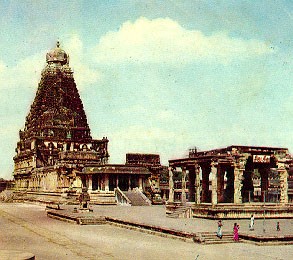
Rajararajeshvara Temple (also known as the Brihadishwara Temple) at Thanjavur
- Brihadeeswarar Temple article at Wikipedia
- UNSECO site “Great Living Chola Temples”
- Article at Templenet.com
- Unesco World-Tour images
- Photosynth image mosaic (requires Silverlight)

Kandariya Mahadeva temple
- Dr. Francis Pritchard’s page (Columbia University)
- article at Asian Historical Architecture
- page at Great Buildings Online
- UNESCO world-heritage-tour images
- Photosynth image mosaic
Room Change this Wednesday !!
Hi Warren,
I just wanted to send you a reminder that due to the Admissions Open House, we need you to hold your 9:05 class on Wednesday, February 23rd in Coleman B instead of McDonald. Francine Varisco’s class will be on a field trip and shouldn’t be in the room that day J Please let me know if you have questions or problems. Thank you!
Subscribe to:
Posts (Atom)